Analyzing wave and marine current dynamics aids in the planning of coastal projects and ports.
These models are used to assess risks associated with marine factors, such as coastal erosion and the impact of currents on marine structures.
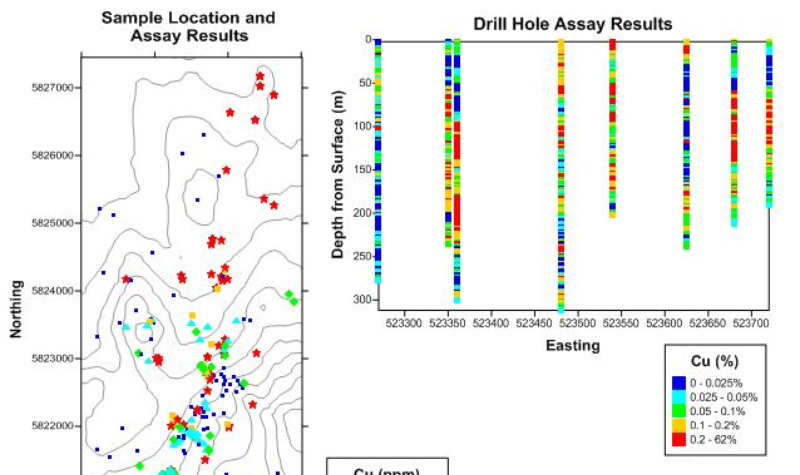
Soil Modeling and Land Contamination
Studying soil contamination resulting from industrial activities, such as the leakage of chemicals and heavy metals.
This model helps determine the extent to which land is affected by contamination and facilitates the development of rehabilitation plans.
The impact of contamination on agriculture and soil health is analyzed.
Air Quality and Noise Modeling
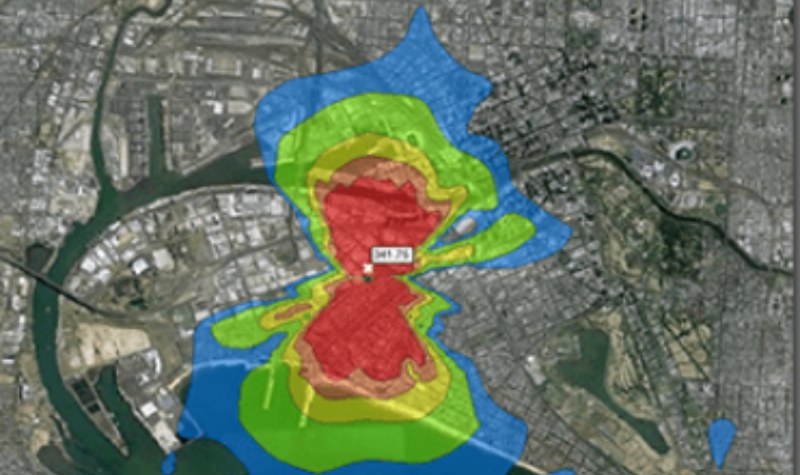
Air pollutants—such as toxic gases and fine particulates emitted by factories and vehicles—are analyzed.
These models are used to develop plans for reducing air pollution and improving the quality of life in urban and industrial areas.
Noise modeling helps assess the impact of noise generated by industrial activities and provides solutions to mitigate it.
Water Quality Modeling
Water characteristics are analyzed to detect the presence of contaminants such as chemicals and bacteria.
These models are used to assess the impact of industrial and agricultural activities on groundwater and surface water sources.
They assist in developing strategies for water treatment and quality improvement.
Modeling of hydraulic water movement
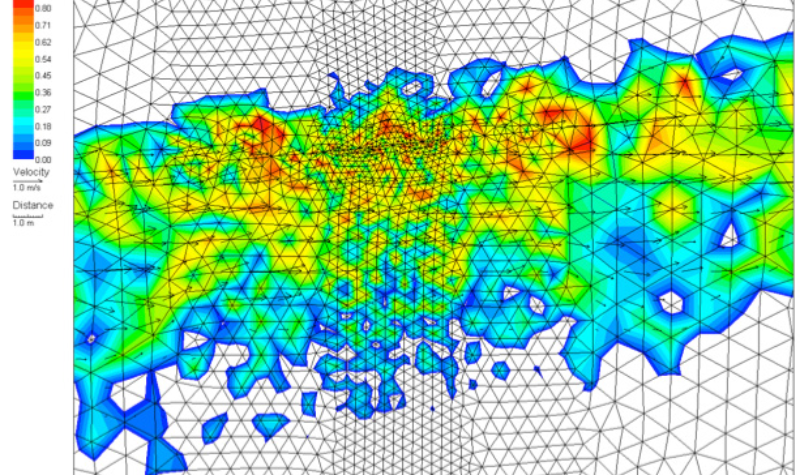
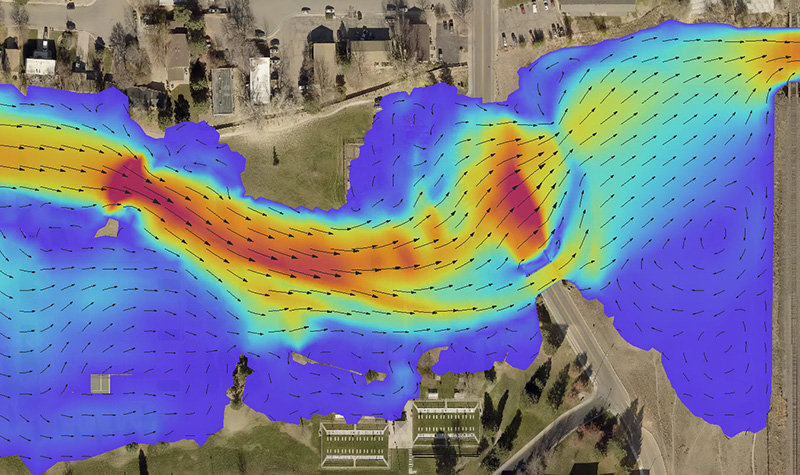
The movement of water in canals, dams, rivers, and seas is analyzed.
This model is used to assess the impact of infrastructure projects (such as bridges and dams) on water flow.
It helps predict flooding issues and provides solutions to minimize damage.
Modeling Utilities and Roads
Assessing how the environment affects the sustainability of infrastructure, such as roads, bridges, and sewage networks.
Identifying environmental factors that may impact the service life of structures.